A television seriesBogner Entertainment
Alive, But Not Well
Watch
See it before it airs.
A first look at the pilot: the doctors, the patients and the caregivers who make the show.
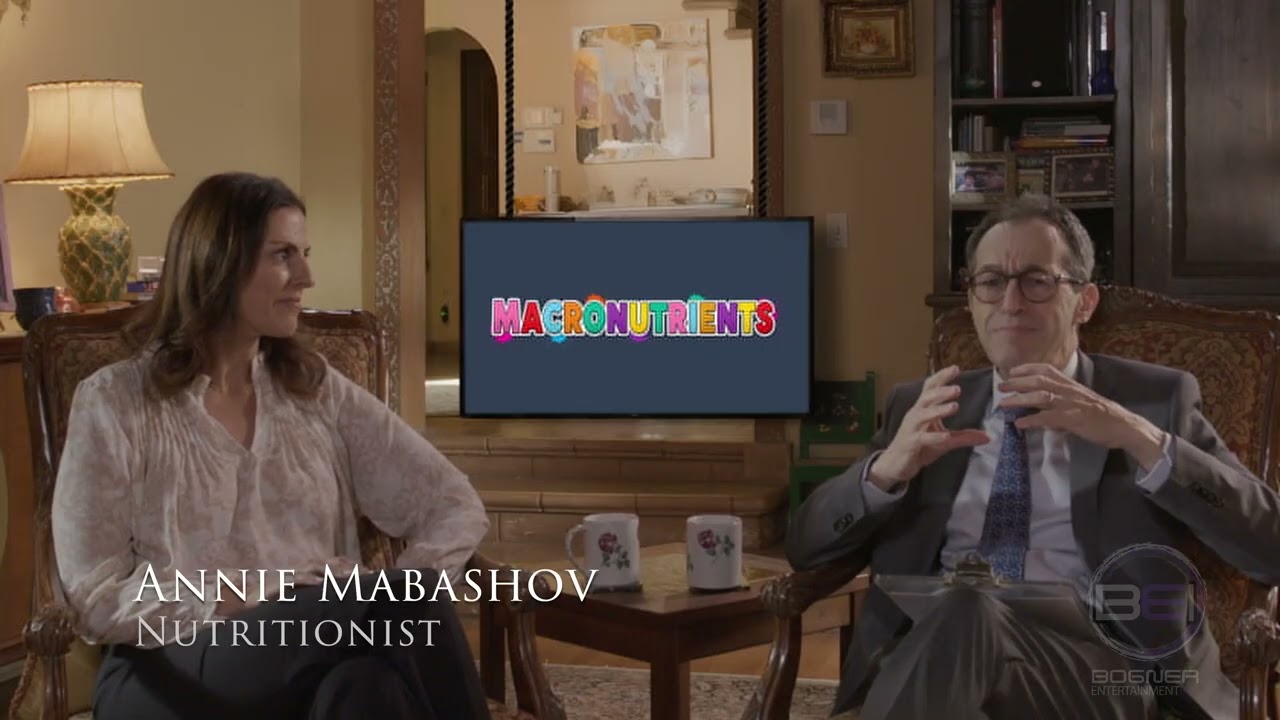
Inside the pilot
-
The Cardiologist
Dr. Mario C. Deng on what a failing heart actually feels like.
Reel in edit
-
Patient & Caregiver
The same illness, told from both sides of the bed.
Reel in edit
-
Mental Health & Therapy
The emotional weight of a diagnosis, for the patient and for the person carrying them. Not in the pilot. This one comes with the series.
Coming with the series
-
Advocacy
Who to ask for help, what exists, and how to reach it.
Reel in edit
-
Nutrition
What to eat, and what to do on the days you cannot face cooking.
Reel in edit
-
Exercise
Safe ways to keep moving when your body has new limits.
Reel in edit
The show
Honest talk about health.
Alive, But Not Well is a new television series designed to help you navigate the complex and often confusing world of medicine.
Hosted by Jonathan Bogner (a survivor of heart failure, two strokes, aphasia, gallbladder removal, and a heart transplant), the show brings together doctors, patients, caregivers, therapists, nutritionists, advocates, and physical therapists for honest, easy-to-understand conversations about health and healing.
Jonathan understands what it feels like to be sick, frightened, and overwhelmed by medical information. His goal is to ask the questions patients and families often do not know how to ask, and to explain the answers in a clear, compassionate, and relatable way.
At times entertaining and uplifting, and at other times deeply serious, Alive, But Not Well explores the realities of illness, recovery, caregiving, and aging.
The pilot episode will be followed by a 12-part series examining many of the diseases and health challenges we may face as we grow older.
Because time waits for no one, and understanding your health may help change your future.
Coming soon.

The premise
Your DNA is not your destiny.
You cannot escape what you inherited. But it is not a verdict.
There are meaningful steps any of us can take: a positive outlook, exercise, nutrition, sleep, and mental and emotional well-being. None of it is a guarantee, but it is the part that is still yours.
Alive, But Not Well is built to be both educational and entertaining. Honest conversation about the diseases, disabilities and conditions that touch nearly every family. And because illness and caregiving also produce moments that are awkward, absurd and genuinely funny, there is room here to laugh out loud.
The series
Each episode of Alive, But Not Well follows a consistent and engaging format designed to educate, support, and inspire viewers.
Episode format
The episode begins with an animated introduction that establishes the featured disease or medical condition. The host then introduces a doctor who specializes in diagnosing and treating that condition, helping viewers understand its causes, symptoms, treatments, and long-term effects.
Next, we hear the personal stories of a patient living with the disease and a caregiver who supports them. Their experiences provide an honest look at the physical, emotional, and practical challenges of managing illness.
The episode also features:
- A mental health professional or therapist who discusses the emotional impact of the disease on patients and caregivers.
- An advocate who raises awareness, provides resources, and explains how individuals and families can find support.
- A nutritionist who offers practical dietary guidance related to the condition.
- An exercise physiologist or physical therapist who demonstrates safe and appropriate ways to remain active.
The episode concludes with a personal monologue from the host, reflecting on the disease, the lessons shared by the guests, and the importance of understanding, compassion, resilience, and hope.
The twelve episodes
-
Heart disease
“I Think I'm Having a Heart Attack”
1 in 5 American deaths CDC
What it covers: Heart disease
Jonathan starts with his own chest. Dr. Mario C. Deng on coronary disease and heart failure. Seejai, a transplant patient, and his wife and caregiver Keesha, on facing it together, and on what recipients whisper about but cardiologists rarely discuss: heart memories. Plus Ava Kaufman of Ava's Heart.
-
Cancer
“The Doctor Just Told Me I Have Cancer”
2 million diagnosed a year American Cancer Society
What it covers: Cancer
You just shot an arrow through my heart. How long do I have? What is my prognosis? What are my treatment options? Do I need chemotherapy? How sick am I going to feel?
-
Lung disease
“I Can't Breathe”
16 million with COPD. Millions more undiagnosed. CDC
What it covers: Lung disease
COPD, asthma, pulmonary fibrosis, pneumonia, lung cancer. Shortness of breath is one of the most frightening symptoms a person can experience, sending some rushing to the emergency room and causing others to avoid the doctor altogether, afraid of what they might hear. Can you help me breathe?
-
Liver disease
“I Can't Drink Anymore”
Fatty liver in about 1 in 4 adults NIDDK
What it covers: Liver disease
Fatty liver disease, hepatitis, cirrhosis, liver failure. The liver can be damaged for years without obvious symptoms. By the time something feels wrong, the disease may already be advanced.
-
Kidney disease
“My Best Friend Gave Me a Kidney”
35 million have it. About 9 in 10 do not know. CDC
What it covers: Kidney disease
Two recipients: one who got a kidney from family, one from a stranger. Dialysis, the transplant list, and what it costs a family to wait.
-
Pancreatic disease
“What Is a Pancreas?”
13% five-year survival, pancreatic cancer NCI SEER
What it covers: Pancreatic disease
Most people cannot point to it. Pancreatitis, cysts, the diabetes connection, and the cancer with the worst odds in the book, which is exactly why the warning signs are worth an hour.
-
Alzheimer's disease
“I Have Forgotten Me”
7 million living with it. 11 million caring for them. Alzheimer's Association
What it covers: Alzheimer's disease
Normal aging, mild cognitive impairment, dementia, Alzheimer's. Four different things people use as one word. Plus the slow role reversal nobody warns a family about, and the grief that starts years before the funeral.
-
Parkinson's disease
“When Will the Shakes Go Away?”
90,000 diagnosed every year Parkinson's Foundation
What it covers: Parkinson's disease
Tremor, stiffness, balance, sleep, mood. What is happening in the brain, what the medication can and cannot hold back, and why the physical therapist may be the most important person on the care team.
-
Crohn's disease and colitis
“I Can't Eat Anything”
3.1 million American adults CDC
What it covers: Crohn's disease and colitis
An illness you cannot see, on a schedule you cannot predict, that turns a dinner invitation into a logistics problem. Flares, biologics, surgery, and the exhaustion of explaining yourself.
-
Arthritis
“Everything Hurts”
53 million adults. About 1 in 5. CDC
What it covers: Arthritis
Osteo and rheumatoid are not the same disease and are not treated the same way. Injections, surgery, and the specific frustration of relearning how to open a jar at 52.
-
Podiatry
“My Feet Always Hurt”
154,000 lose part of a limb each year CDC
What it covers: Podiatry
Plantar fasciitis, bunions, neuropathy, circulation, the diabetic foot. The part of the body everyone ignores until it takes their independence with it.
-
Sickle cell anemia
“Nobody Believes How Much It Hurts”
100,000 Americans. Roughly 1 in 365 Black births. CDC
What it covers: Sickle cell anemia
An inherited blood disorder, a lifetime of pain crises, and a documented history of patients being disbelieved in the emergency room. New treatments are changing the medicine. This episode is also about who gets taken seriously.
Next series
Diabetes · Obesity · Influenza and Pneumonia · HIV/AIDS · Suicide
The cast
Medicine
-
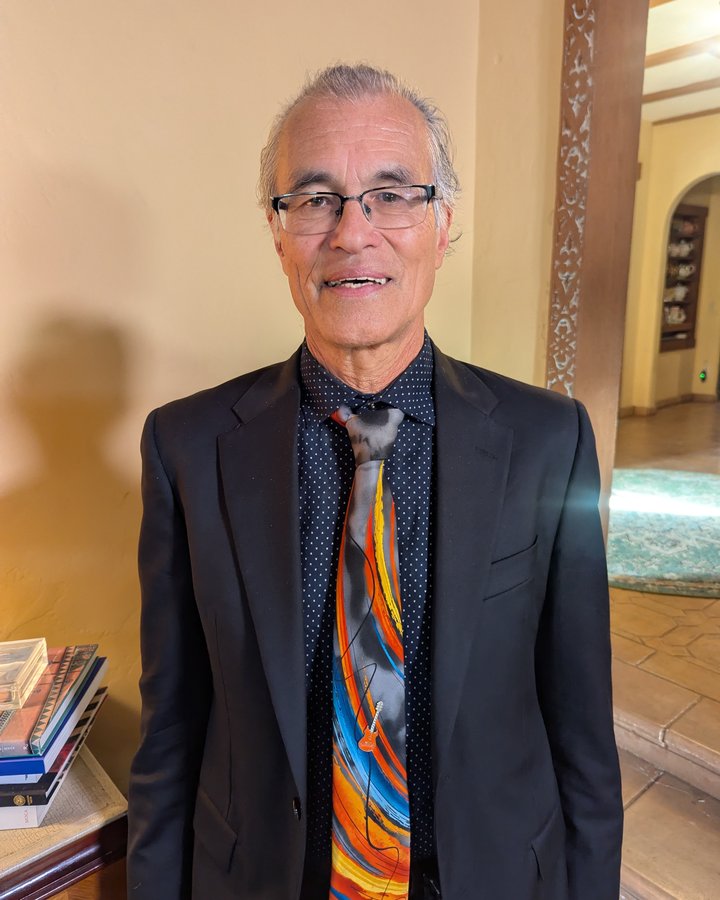
Cardiologist
Dr. Mario C. Deng
Advanced heart failure and transplant cardiology, UCLA.
-
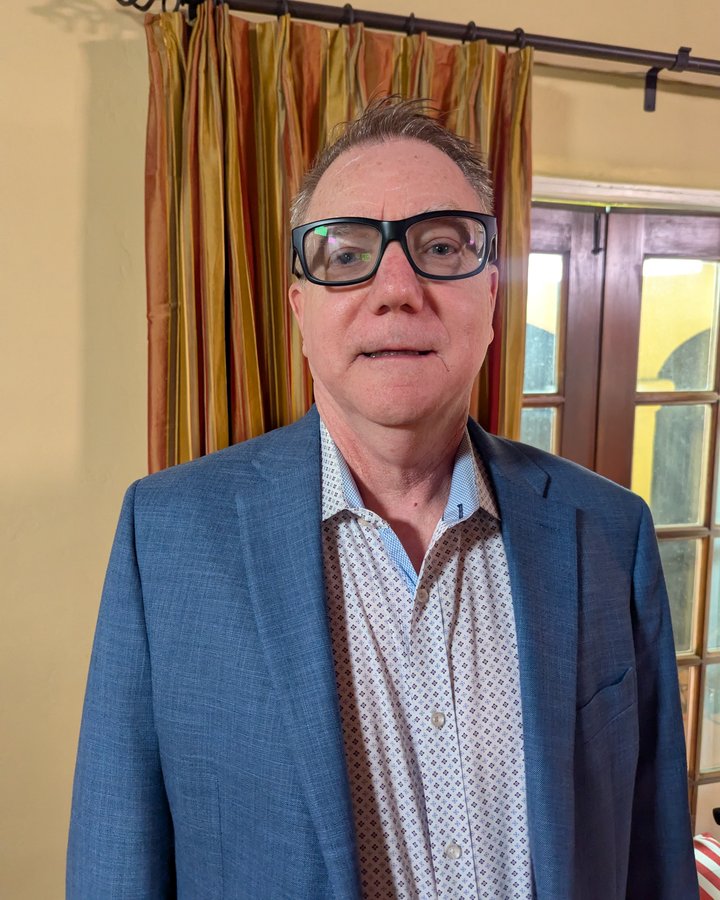
Transplant surgeon
Dr. Douglas G. Farmer
Liver, pancreas and intestinal transplant surgery.
-
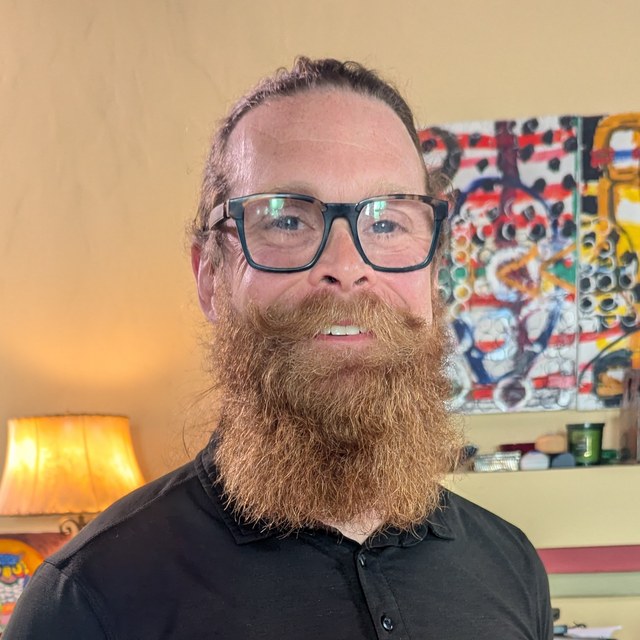
Physical therapist, DPT
Matthew Higgins
Restoring strength, motion and daily function after illness or injury.
-
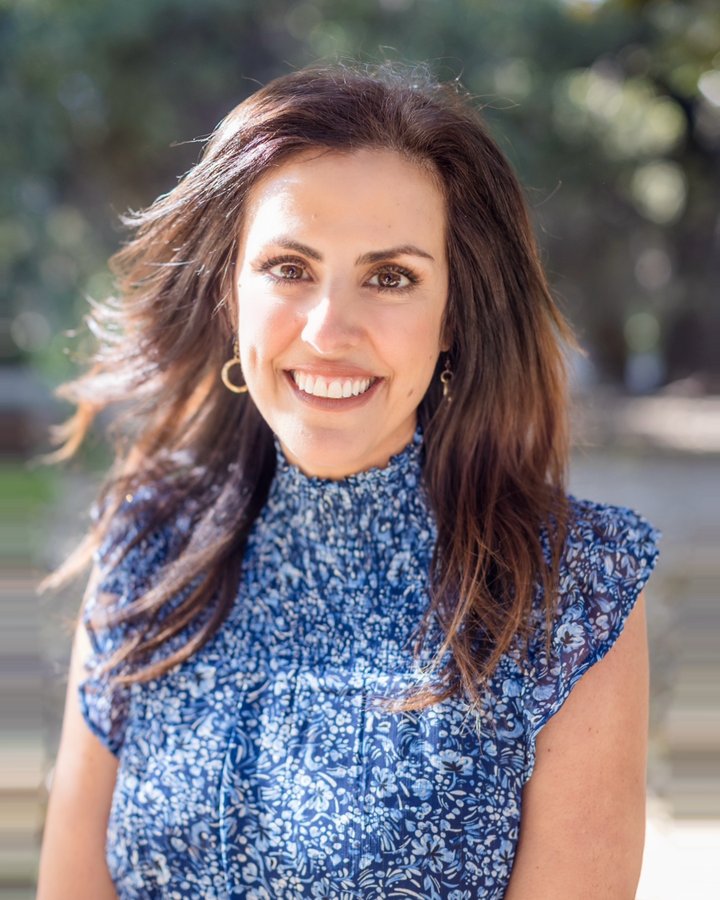
Nutritionist
Annie Mabashov
Eating well can be difficult when illness reduces your appetite, fatigue makes cooking feel impossible, and healthy food seems too expensive.
Patients & caregivers
Never one without the other. Each story is told from both sides.
-
Heart
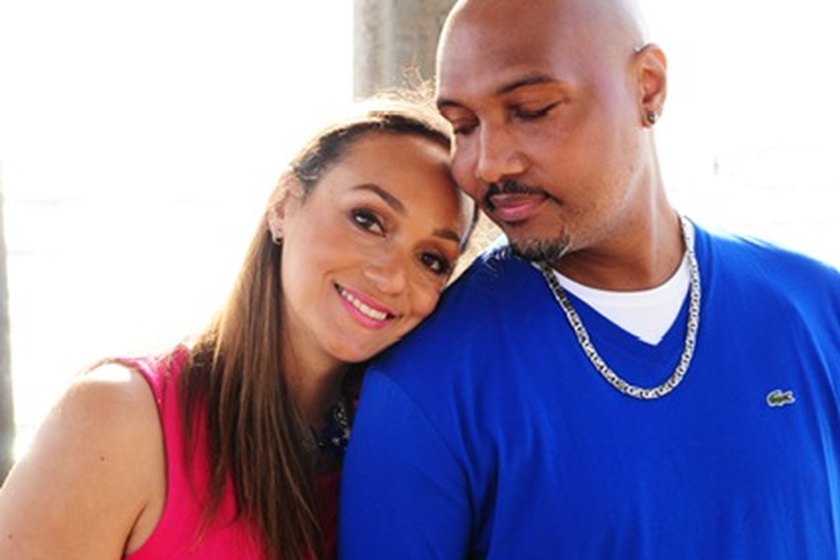
Patient & caregiver
Seejai & Keesha Erquhart
A husband and wife face the transplant journey from opposite sides: one waiting for a life-saving organ for the second time, the other providing care, strength, and hope.
-
Liver & kidney
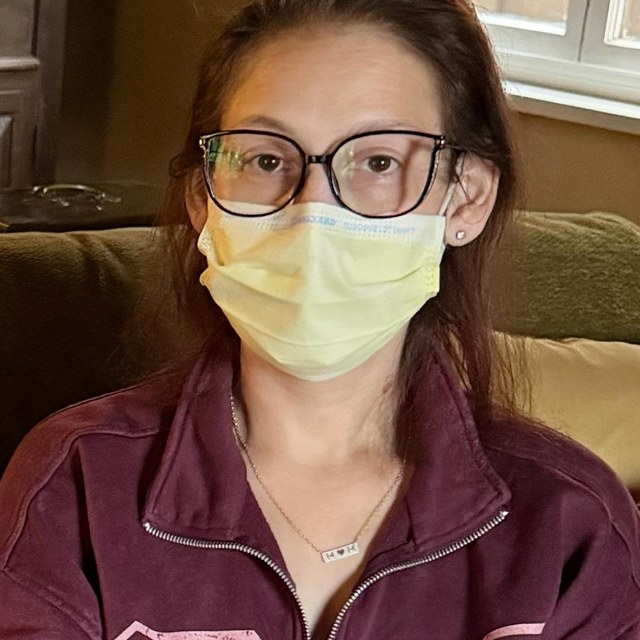
Patient
Brittney Vargas
Received a kidney and liver transplant.
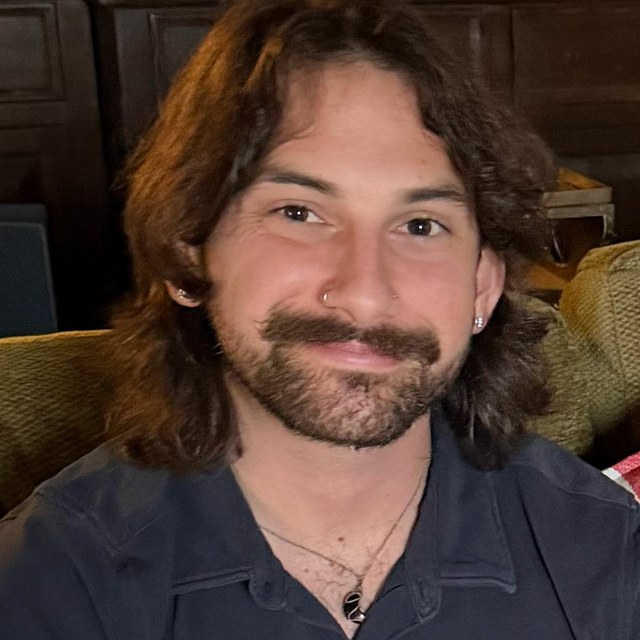
Caregiver
Primo Vargas
Her brother, and her caregiver.
-
Heart
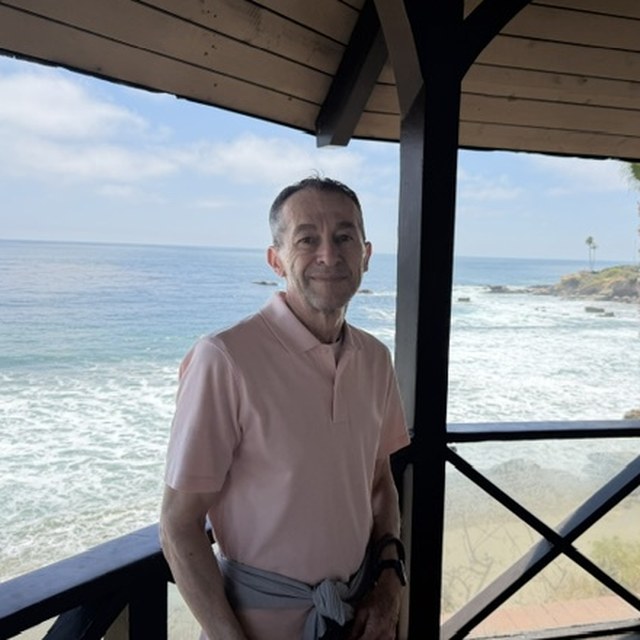
Patient & host
Jonathan Bogner
The producer, writer, and host receives a life-saving heart transplant.
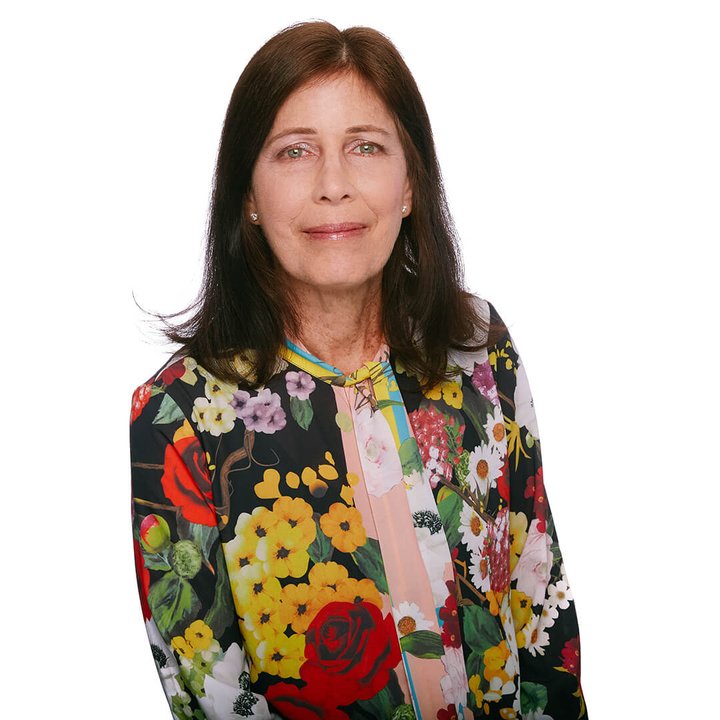
Caregiver
Cindy Bogner
His wife, through two strokes and the wait for a heart.
Therapy & advocacy
-
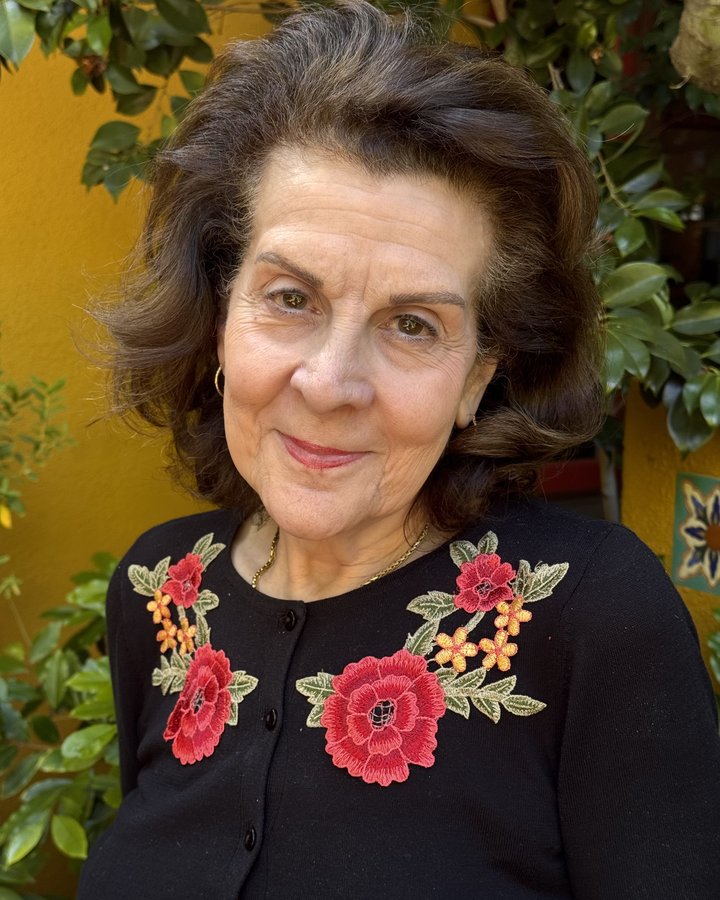
Therapist, MA, MFT
Janice Payson
A therapist helps patients, caregivers, and family members understand and cope with the trauma that often accompanies serious illness.
-
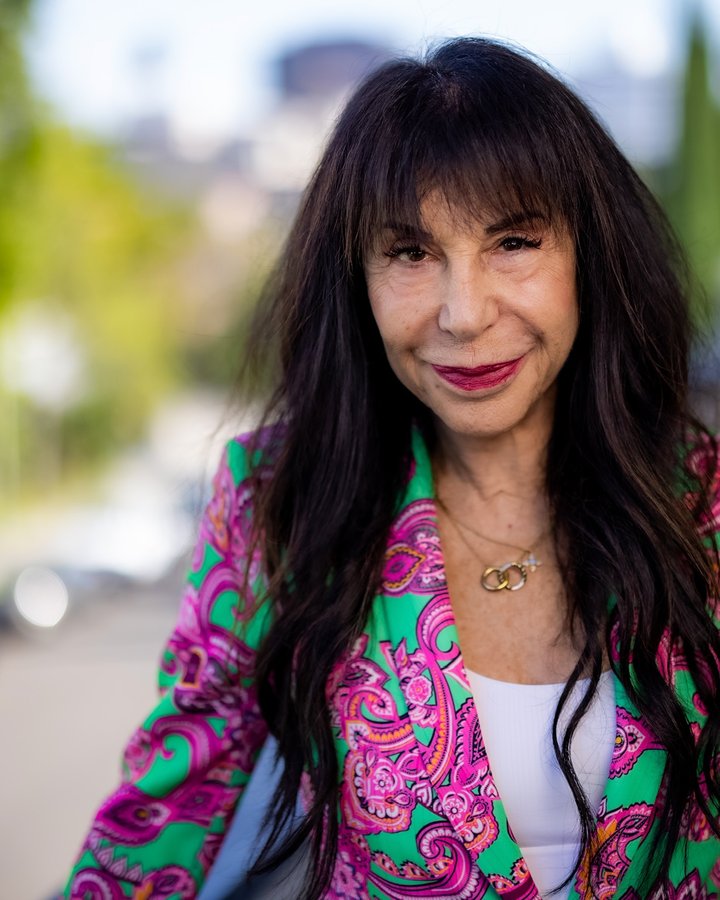
Heart advocate
Ava Kaufman
A heart transplant recipient who founded a housing charity for transplant patients and their families.
-
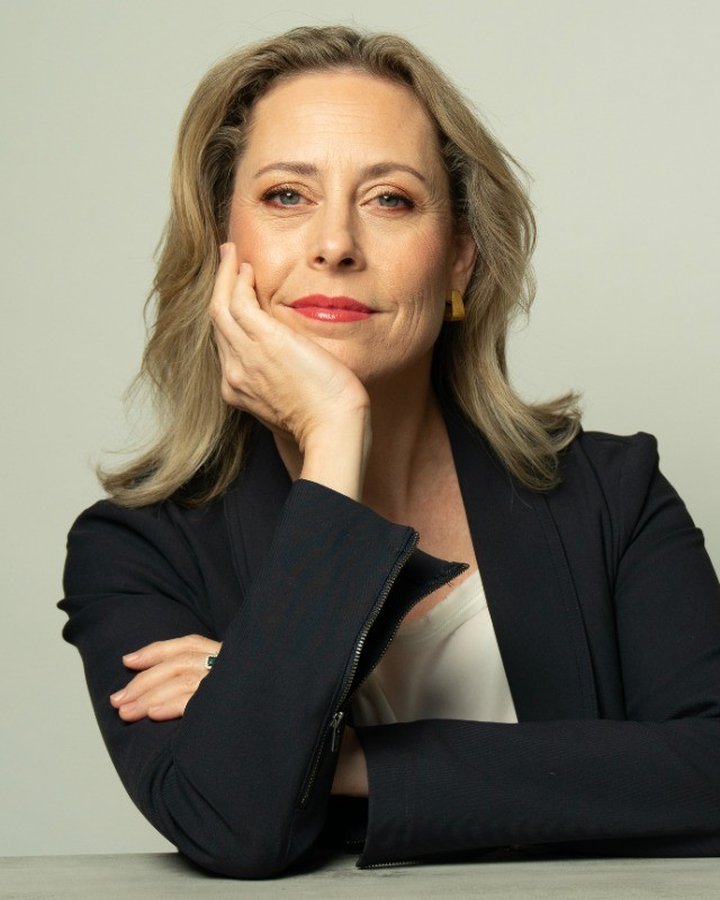
Organ donation advocate, MPP
Tenaya Wallace
Nationally recognized organ donation advocate who has spent more than two decades using policy, public education, and powerful storytelling to dispel myths, inspire donors, and create lasting social change.
-

Director & editor
Crescendo Ward
Veteran actor, choreographer, dancer, writer, director, editor, and producer whose distinguished career spans film, television, theater, live entertainment, and video production.
Associations, foundations, societies & funds
-
AARP
Rita B. Choula, M.A.
Senior Director of Caregiving, AARP Public Policy Institute
Read biography: Rita B. Choula, M.A.
Her work focuses on family caregiving, long-term care, home- and community-based services, healthcare, technology, and professional education. She leads the development of research, policies, programs, and practical tools that help healthcare and social service professionals better recognize and support the needs of family caregivers.
Choula serves as Vice Chair of the Association for Frontotemporal Degeneration and as a board member of the National Alliance for Caregiving. She holds a master's degree in management of Aging Services from the University of Maryland, Baltimore County.
-
American Heart Association
Dr. Eduardo Sanchez, M.D., M.P.H., FAHA
Chief Medical Officer for Prevention, American Heart Association
Read biography: Dr. Eduardo Sanchez, M.D., M.P.H., FAHA
He leads major initiatives focused on blood pressure control and cardiovascular-kidney-metabolic health. He previously served as Chief Medical Officer for Blue Cross and Blue Shield of Texas, Texas Commissioner of Health, and Director of the Institute for Health Policy at the University of Texas School of Public Health.
His career has focused on disease prevention, chronic illness, health disparities, and public health policy.
-
American Lung Association
Cedric “Jamie” Rutland, M.D.
National volunteer medical spokesperson, American Lung Association
Read biography: Cedric “Jamie” Rutland, M.D.
Dr. Rutland is triple board-certified in Internal Medicine, Pulmonary Disease, and Critical Care Medicine. He specializes in asthma, chronic obstructive pulmonary disease (COPD), interstitial lung disease (ILD), vaping-related lung conditions, endobronchial ultrasound (EBUS), and navigational bronchoscopy.
As a national volunteer medical spokesperson for the American Lung Association, Dr. Rutland is passionate about public health education and regularly speaks about lung disease, prevention, and respiratory health.
Know your numbers
Three numbers worth knowing.
Most people can name their shoe size and not their blood pressure. Choose Healthy or Crisis and see what the same body looks like on either side of the line.
- Systolic (top)
- The push when the heart beats
- Diastolic (bottom)
- The pressure between beats
120/80 is the target. 180/120 is a hypertensive crisis. That is an emergency-room number, not a next-appointment number.
Fasting blood glucose, mg/dL. The middle band is the one most people never hear about, and the one where the outcome is still open.
All in mg/dL. HDL is the one number you want high: it carries cholesterol away from the arteries rather than into them.
General reference ranges for orientation only. Not medical advice. Your own targets are set by your doctor, who knows your history and your medication. Read the full disclaimer.
Daily
Something new, every day.
The series is the reason to come once. The schedule below is the reason to come back: a fixed weekly rhythm so people know what lands when.
- Mon
Ask the doctor
One question from the inbox, answered on camera.
- Tue
The caregiver's hour
Practical help for the person doing the caregiving.
- Wed
What I eat now
Nutrition after a diagnosis, with Annie.
- Thu
Move something
Rehab and getting back to your body.
- Fri
The absurd file
The funny, awkward, unfilmable parts of being ill.
- Weekend
The long read & the reel
One full segment, one long-form piece. Both languages.
Editorial calendar: schedule set, first pieces commissioned.
Jonathan's philosophy
Three things that hold.
-
Rigorous optimism
It is difficult to remain optimistic all the time, especially when the odds seem stacked against you. But rigorous optimism means continuing to move forward even when life feels painful, uncertain, or absurd.
Sometimes, you must laugh at yourself and at the situation. Laughter does not diminish the seriousness of what you are facing; it can give you the strength to endure it. Remain committed to your goal but recognize when the current path is no longer working. Hope sometimes means having the courage to change direction, create a new plan, and keep going.
-
Rugged flexibility
Rugged flexibility is the ability to stay committed to your mental, physical, and spiritual goals, even when others tell you that you have reached your limit. At the same time, it means recognizing when your current plan is no longer working and having the courage to change course.
True strength is not stubbornly following the same path. It is knowing when to adjust, create a new plan, and keep moving forward in a different direction.
-
Remarkable resilience
Remarkable resilience is the ability to overcome challenges of both the mind and the body. It means becoming stronger mentally, physically, and spiritually through illness, trauma, and adversity. Even when the body feels limited, the mind can provide the determination to keep going, rebuild, and become whole again.
Jonathan's letter
The promise
I have survived two strokes, heart failure, and aphasia that took away my speech for a year and a half. I have undergone parathyroid surgery, received a heart transplant (a woman's heart), and had my gallbladder removed during the operation. I have faced melanoma on my ear more than once, lived with two defibrillators, and continue to manage arthritis in both knees.
And that is not all.
At forty-five, my doctors told me that time was running out and that I would eventually need a new heart. I received that heart at sixty-two. Somehow, I managed to stretch things out for another seventeen years.
Not bad.
Through most of it, I kept working, producing feature films, reality television, and documentaries. As of this writing, I am still producing and writing, and for the first time, I am hosting. I continue to adapt, reinvent myself, and find a new path forward.
While I was in the hospital waiting for a heart, I made myself a promise: if I survived, I would give back in the only way I knew how, by creating meaningful television.
That promise became Alive, But Not Well.
We cannot promise that every illness can be prevented or cured. But we can help people ask better questions, communicate more effectively with their doctors, find resources they can trust, and take a more active role in their own health.
Most of all, we can offer knowledge, community, understanding, humor, and hope.
Look around. Take a breath. Appreciate the people who support you. Be grateful for every day you are given.
And be thankful that you are alive, even when you are not completely well.

Join the newsletter
Alive. Not always well. Never alone.
One newsletter. The premiere date, new segments as they post, and nothing else.
Rather follow along on YouTube? Subscribe to the channel (opens in a new tab)
Distribution and press enquiries: hello@alivebutnotwell.org